Zambia
Weekly

Economic Summit Addresses Regional Trade Challenges
Ministers from across the region gathered today to discuss new trade policies and economic cooperation strategies that could reshape...
Burundi's Highway Conditions: Challenges and Opportunities
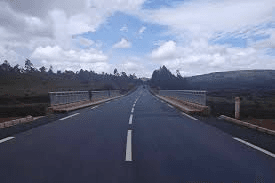
Burundi, a landlocked country in East Africa, relies heavily on its highway network for the movement of goods and people. However, the condition of these highways has become a growing concern, impacting economic growth, trade, and the daily lives of its citizens. The country's strategic location at the heart of the Great Lakes region makes its transportation infrastructure crucial not only for domestic development but also for regional connectivity.
The country's highways span approximately 12,322 kilometers, with only about 1,286 kilometers being paved roads. This creates a significant infrastructure gap, as the majority of the network consists of unpaved roads that become virtually impassable during the rainy season. The current state of these highways is a mix of deteriorating asphalt surfaces and poorly maintained dirt roads, with many sections showing signs of severe neglect.
Years of inadequate maintenance, limited financial resources, and the effects of heavy seasonal rainfall have left many roads riddled with potholes, experiencing severe erosion, and featuring dangerously uneven surfaces. The main arteries connecting Bujumbura, the commercial capital, to major towns like Gitega, Ngozi, and Muyinga are particularly affected. These conditions make travel both time-consuming and dangerous, with journey times often doubling during adverse weather conditions.
Economic Impact and Trade Implications
One of the most significant challenges is the chronic lack of funding for road maintenance and development. While the government has made efforts to improve the highway network through various infrastructure programs, limited resources and competing national priorities have consistently hindered meaningful progress. The annual budget allocation for road maintenance represents only a fraction of what is needed to bring the network to acceptable standards.
As a result, many critical transportation corridors remain in a state of severe disrepair, directly affecting the efficient movement of agricultural produce, manufactured goods, and essential commodities to both domestic and international markets. Coffee and tea, Burundi's primary export crops, face significant transportation challenges that reduce their competitiveness in global markets.
"Improving Burundi's highways is not just about infrastructure; it's about unlocking the country's economic potential and improving the quality of life for its people. Every kilometer of improved road directly translates to reduced transportation costs and increased market access for our farmers and businesses."
— Minister of Public Works and Infrastructure
The poor condition of highways has a cascading effect on regional trade relationships. As a landlocked nation, Burundi depends entirely on its road network to connect with neighboring countries such as Tanzania, Rwanda, and the Democratic Republic of Congo for access to international markets and seaports. The Port of Dar es Salaam in Tanzania serves as Burundi's primary gateway to the Indian Ocean, making the Bujumbura-Dar es Salaam corridor crucial for international trade.
Transportation delays caused by deteriorating road conditions significantly increase logistics costs, making Burundian goods less competitive in regional and international markets. Truck operators often charge premium rates to compensate for vehicle wear and tear, extended travel times, and increased fuel consumption on poor roads. These additional costs are ultimately passed on to consumers, contributing to inflation and reduced purchasing power.
Safety Concerns and Social Impact
Beyond economic implications, the deteriorating state of highways poses serious safety risks to all road users. Traffic accidents have become increasingly common, particularly during the rainy season when roads become slippery, muddy, and visibility is severely reduced. The lack of proper drainage systems exacerbates flooding problems, creating hazardous driving conditions that claim lives and damage vehicles.
Pedestrians and cyclists, who constitute a significant portion of road users in rural areas, face particular vulnerability. Many highways lack designated walkways or bicycle lanes, forcing people to share narrow road spaces with heavy vehicles. This situation is especially dangerous near schools, markets, and health centers where foot traffic is concentrated.
Opportunities for Transformation
Despite these significant challenges, there are emerging opportunities for substantial improvement. The government, in partnership with international donors, development banks, and regional organizations, has launched several ambitious initiatives to rehabilitate and expand the highway network. The East African Community's infrastructure development programs and support from institutions like the World Bank and African Development Bank have provided crucial funding for major projects.
Current projects include the construction of new paved roads connecting major population centers, the upgrading of existing highways to international standards, and the implementation of modern drainage systems to handle seasonal flooding. The government has also prioritized the development of the Northern Corridor route, which will improve connectivity with neighboring countries and reduce dependence on single transportation routes.
Community involvement has emerged as a powerful force in addressing highway maintenance challenges. Local communities, recognizing the direct impact of road conditions on their livelihoods, have organized volunteer groups to undertake basic maintenance activities. These grassroots initiatives include filling potholes with locally available materials, clearing debris and vegetation from road surfaces, and maintaining drainage channels. Such community-driven efforts demonstrate the resilience and determination of Burundians to overcome infrastructure challenges through collective action.
Looking toward the future, the transformation of Burundi's highway network will require sustained political commitment, adequate financial investment, and effective long-term planning strategies. The government's Vision 2025 development plan specifically emphasizes infrastructure development as a cornerstone of economic growth. By prioritizing road infrastructure development and establishing regular maintenance schedules, Burundi can unlock new economic opportunities, enhance regional trade relationships, improve access to essential services, and significantly enhance the quality of life for all citizens.
Related Topics
Douala Residents Face Sharp Rise in Property Taxes
10 Mins Read

Intelligence Committee to begin circulating draft Ukraine report Monday
10 Mins Read

Central African Republic Faces Import and Export Challenges
10 Mins Read
Libreville Property Prices Surge Amid Growing Demand
10 Mins Read

Gabon Rural Areas See Record Agricultural Produce in 2025 Report
12 Mins Read

Entertainment: Cultural Events and Festivals
5 Mins Read
Central African Republic Q2 Agriculture Report
7 Mins Read

Central African FinTech Industry: A Rapidly Growing Sector
12 Mins Read

Pollution in Bata, Equatorial Guinea: A Growing Environmental Concern
15 Mins Read
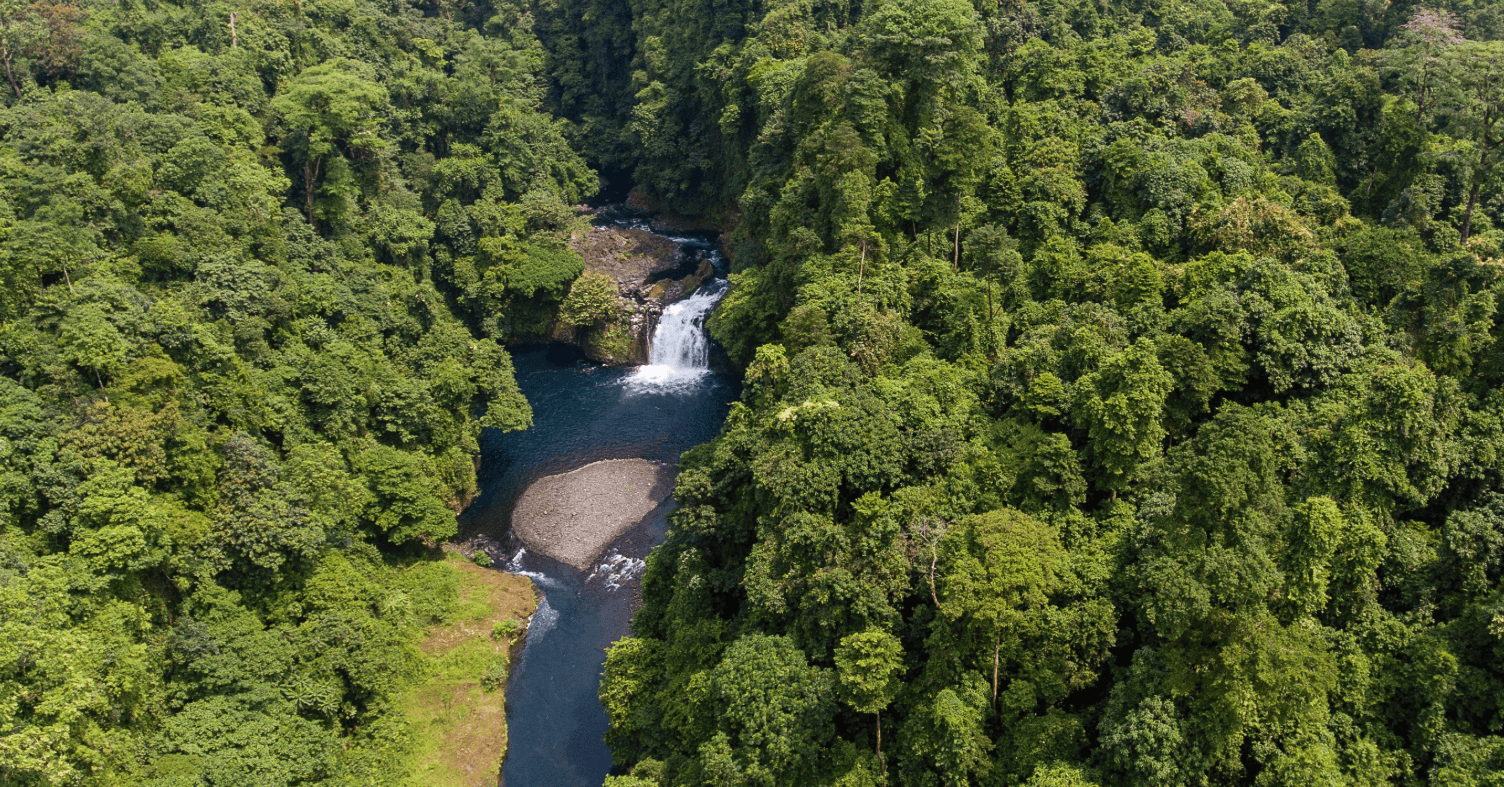
Equatorial Guinea's Forest Cover: A Vital Resource Under Threat
15 Mins Read
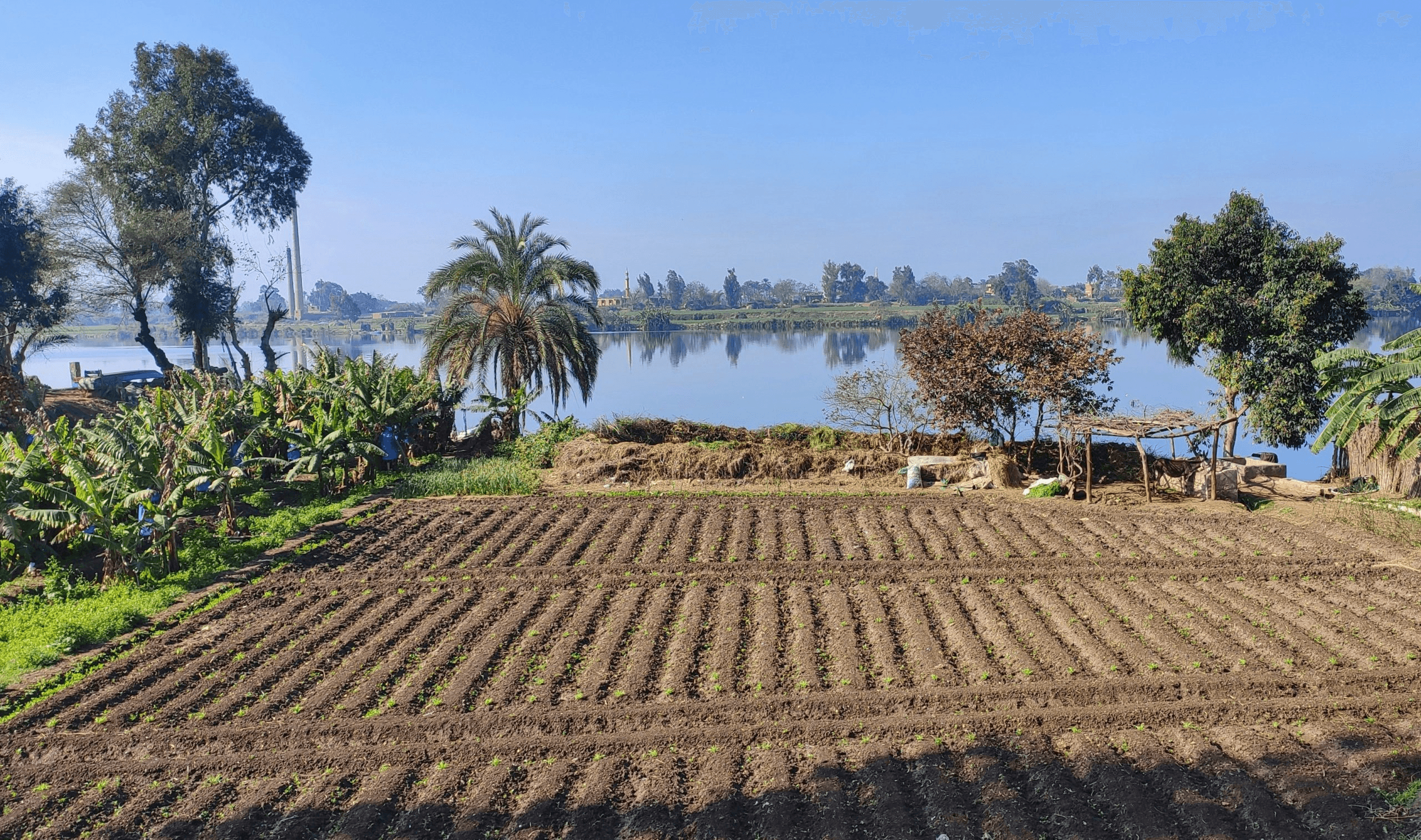
The Nile River: A Lifeline for Agriculture in the Region
12 Mins Read
Burundi's Highway Conditions: Challenges and Opportunities
12 Mins Read
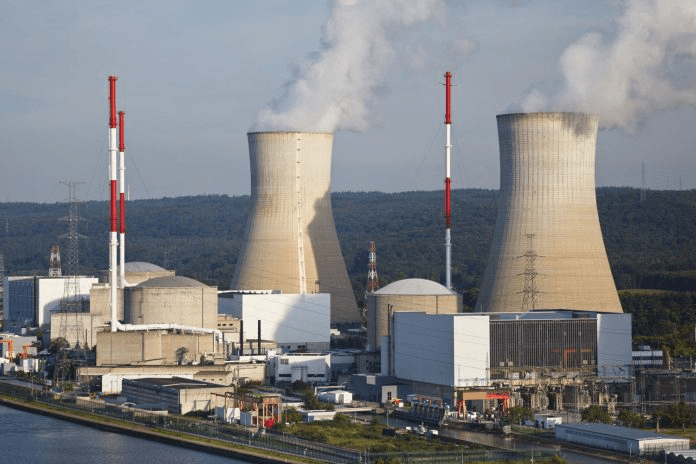
South Africa's Nuclear Power Plants: Updates and Future Plans
15 Mins Read

Entertainment: Cultural Events and Festivals
15 Mins Read
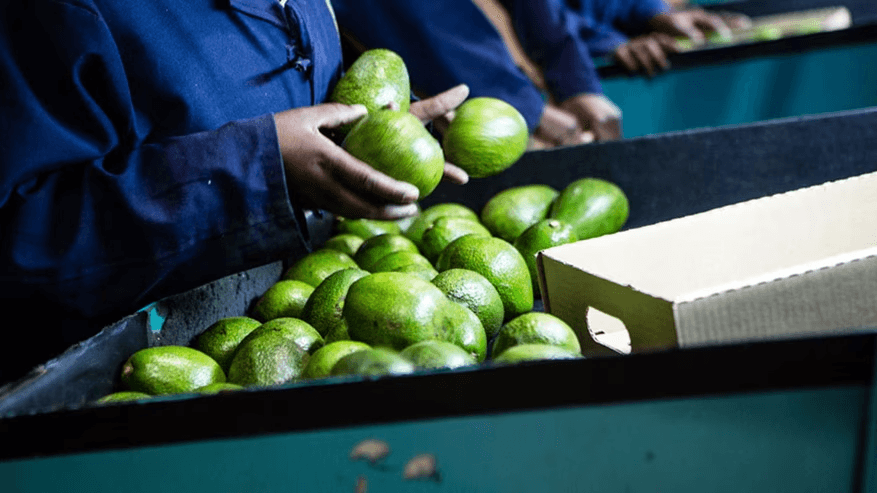
Central African Republic Q2 Agriculture Report
12 Mins Read

Central African FinTech Industry: A Rapidly Growing Sector
12 Mins Read
Get first update
Get the news in front line by subscribe ✍ our latest updates
Central Africa Report | Economic Growth and Challenges
by Marie Ngo Siba · June 15, 2024
Central Africa continues to face economic challenges while exploring opportunities for growth in trade and infrastructure...
Douala Residents Face Sharp Rise in Property Taxes
June 15, 2024
Central African Republic Faces Import and Export Challenges
June 15, 2024
Libreville Property Prices Surge Amid Growing Demand
June 15, 2024
Gabon Rural Areas See Record Agricultural Produce in 2025 Report
June 15, 2024
SOCIAL NETWORKS
• Google+
• RSS